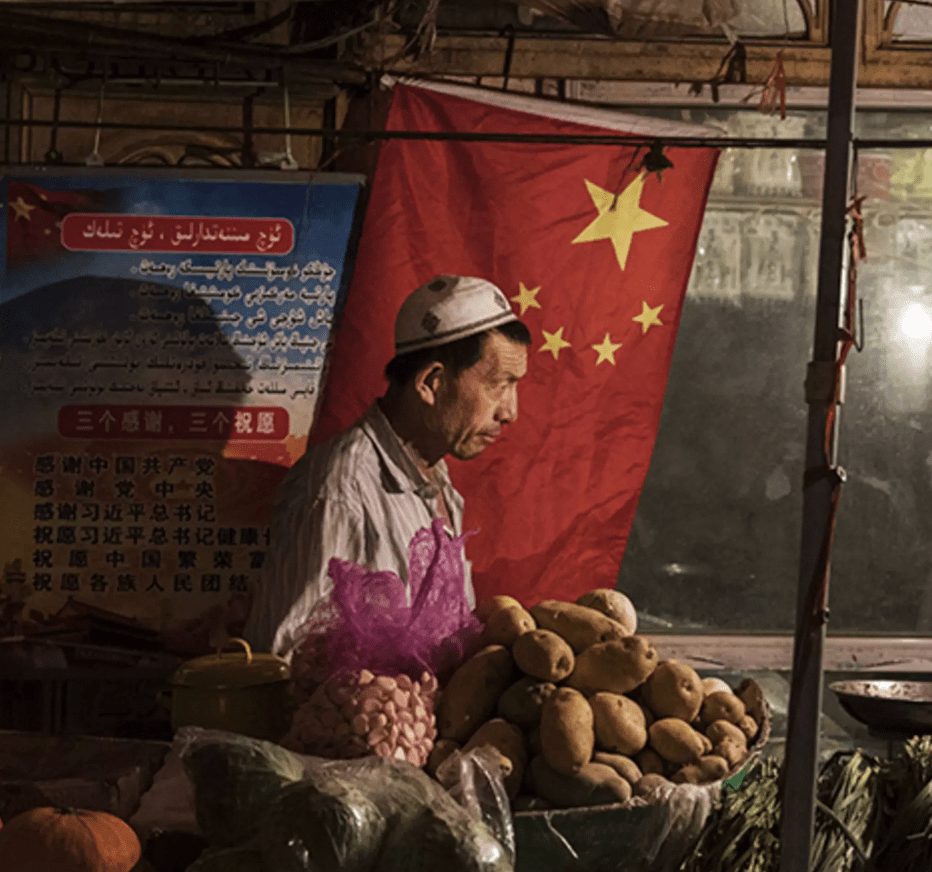
Like any country, Mainland China includes both a dominant culture (that of the Han Chinese people) and many other cultures from ethnic groups. Here are some resources to help you better understand China’s 56 ethnic groups.
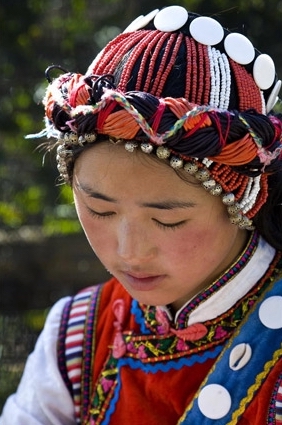
The Mongols, Tibetans, Manchus, and Naxi
by Keith Dede from Asia Society
“This essay provides a backdrop for understanding that China, like many places in the world, faces challenges about how to reconcile national borders with ethnic ones. The arguments surrounding these debates are very complex, with groups invoking history in different ways to legitimize their opposing stances.”
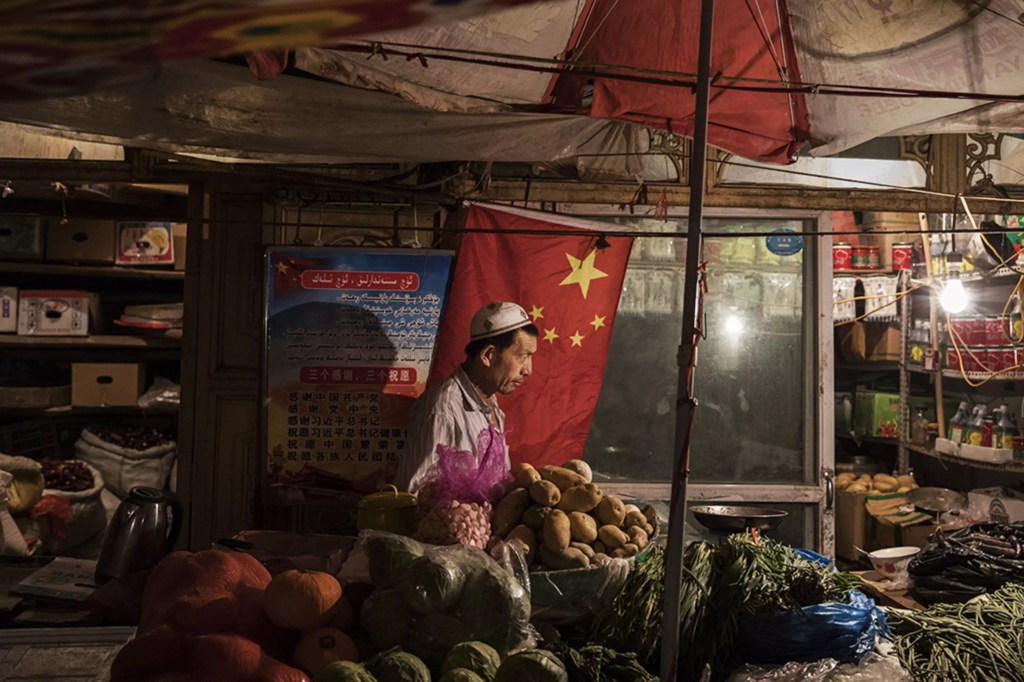
China’s Repression of Uyghurs in Xinjiang
by Lindsay Maizland from the Council on Foreign Relations
“More than a million Muslims have been arbitrarily detained in China’s Xinjiang region. The reeducation camps are just one part of the government’s crackdown on Uyghurs.”

 学无止境
学无止境 